|
|
|
|
|
|
|
|
|
|
From borderless journeys to high-flying acts — discover stories that moved Europe
|
|
|
|
This month, meet the daring acrobat who gave the leotard its name, explore a powerful exhibition marking 80 years since the liberation of Auschwitz-Birkenau, and revisit the signing of the Schengen Agreement — the moment that opened up free movement across Europe. |
|
|
|
|
|
|
|
|
|
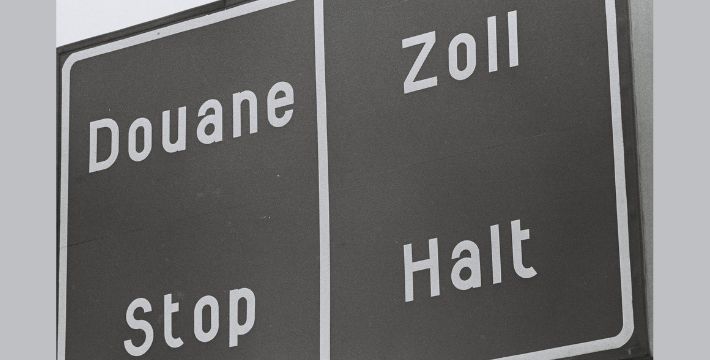
Schengen: a Europe without borders?
|
|
The Schengen area, consisting of 29 countries in Europe, is the world's largest travel area without internal border controls. Covering over 4 million km² and populated by almost 420 million people, it has radically changed the functioning and perception of borders in Europe, as well as the free movement of people within it. Explore how the Schengen Agreement was reached, how it operates now, the impact it has had, and the challenges it faces today.
|
|
|
|
|
|
|
|
|
|
|
|
|
|
|
|
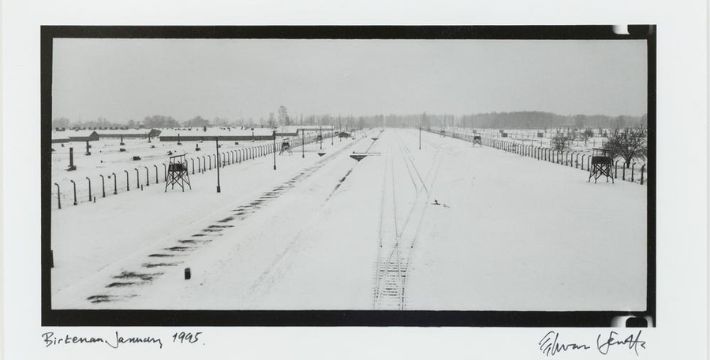
2025 marks 80 years since the liberation of Auschwitz-Birkenau, the largest Nazi concentration camp. It is a history that has come to shape how Europe sees itself, politicians and citizens alike. Over the years, the European Parliament has worked to ensure that we remember this history — and that we do not repeat it.
In this exhibition, we look at how Parliament engages with this history, through political actions and through commemoration, sharing the stories of survivors and their families who have come to Parliament to deliver their messages to MEPs and citizens so that we may never forget. |
|
|
|
|
|
|
|
|
|
|
|
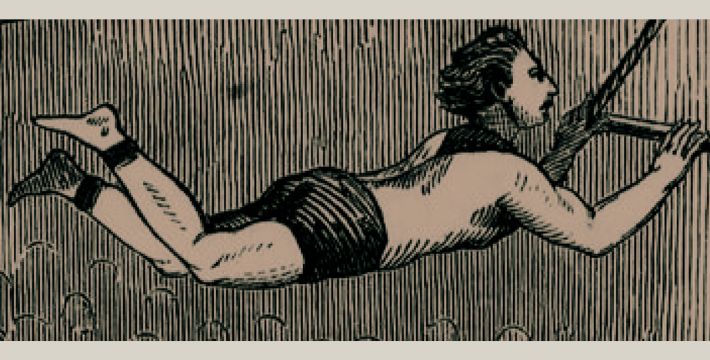
Jules Léotard, the acrobat who invented the leotard |
|
Leotards are items of clothing synonymous with exercise and aerobics, particularly as a symbol of the 1970s and 1980s fashion. Did you know though that the leotard's history is more than a century old and stretches back in time to a daring 19th century French acrobat?
Read on to learn the story of how circus performer Jules Léotard invented the leotard and how his outfit kickstarted an iconic fashion trend.
|
|
|
|
|
|
|
|
|
|
|
|
|
|
We’ve jumped into YouTube Shorts — and every week, we’re dropping bite-sized videos full of curious stories, surprising artworks and creative takes from the Europeana collections. From salad-face portraits to dancing skeletons (yes, really), there’s always something new to discover.
Hit follow and come scroll with us!
|
|
|
|
|
|
|
|
|
|
Explore some featured galleries |
|
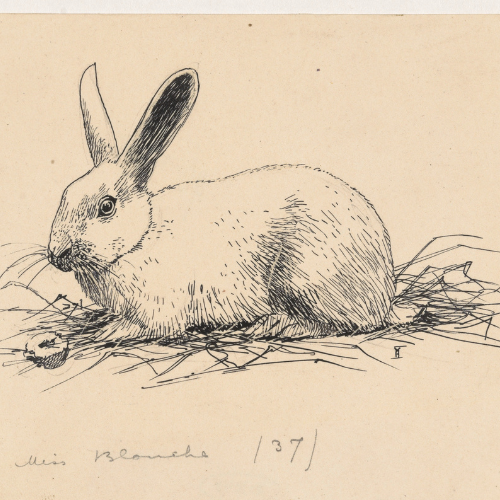
The rabbit is a popular symbol in many cultures around the world. Rabbits might symbolise luck, fertility and renewal but also longevity and peace. |
|
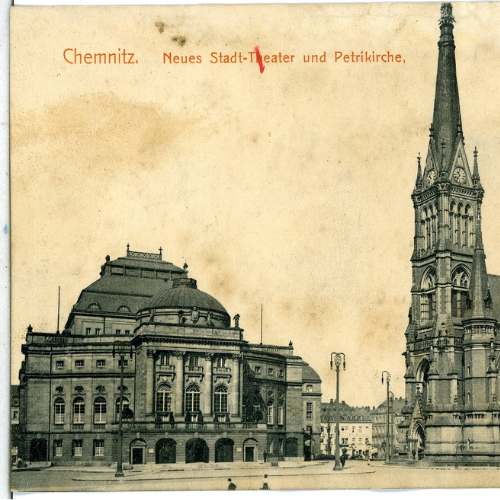
Chemnitz is the third largest city in German state of Saxony, with a rich architectural heritage - from Baroque to Art Nouveau to industrial, modernist and Brutalist buildings. |
|
|
|
|
|
|
|
|
|
|
|
|
|
Create a gallery, save your favourite items |
|
Whether you are working on a creative project, need to collect material for your research or just want to have some fun curating cultural heritage, creating a Europeana account allows you to save your favourite items and create public and private galleries. |
|
|
|
|
|
|
|
|
|
|
|
|
|
You are receiving this email as you signed up for our newsletters. |
|
|
|