|
|
|
|
|
|
|
|
|
|
September is here! The time of fresh starts, learning and reflection |
|
|
|
Hi there! ☀️
This month's themed newsletter is focused on disability by celebrating stories of resilience, creativity and visibility, starting with the Disability Pride Flag (displayed above): a symbol of solidarity and pride for disabled communities worldwide. Its colours represent the different forms of disability (physical, emotional/psychiatric, neurodiversity, sensory and invisible/undiagnosed), wheras the charcoal grey is in mourning of the people who have died due to ableist violence, abuse, suicide or illness. The diagonal bands are intended to signify cutting across barriers that people with disabilities face.
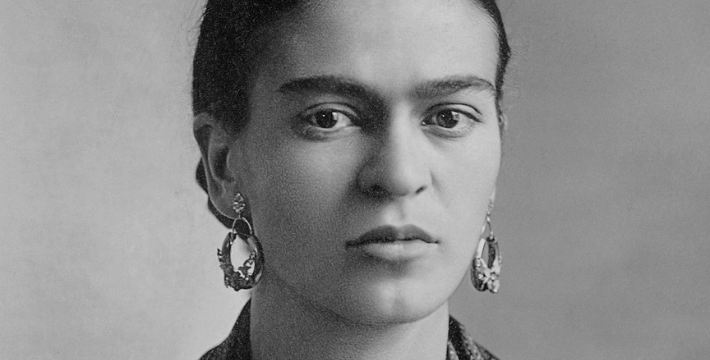
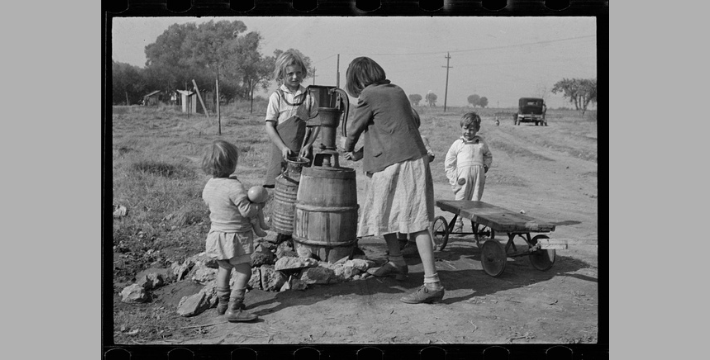
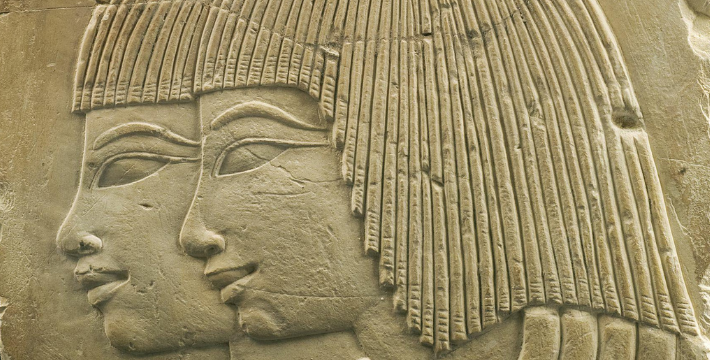
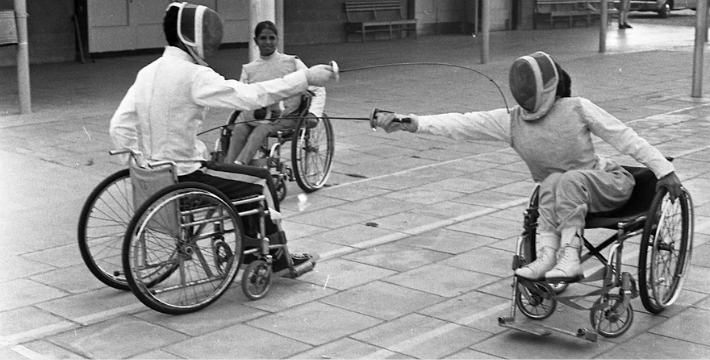
Just as the flag reflects diverse experiences, this edition highlights voices and perspectives from across history. Discover how artists like Frida Kahlo and Dorothea Lange expressed identity and perspective, see how forms like bas-relief have told stories across time and explore the histories of the Paralympic Games.
Read on, get inspired, and join us in recognising the contributions and voices that continue to shape culture and history. |
|
|
|
|
|
|
|
|
|
Frida Kahlo - identity in art |
|
Renowned Mexican artist Frida Kahlo was a role model for generations of artists, bisexual women and people with disabilities. Her works were inspired by nature and explored gender, disability, class, post-colonialism and race in Mexican society. Read more to find out how she expressed the different parts of her identity through art.
|
|
|
|
|
|
|
|
|
|
|
|
Through the eyes of Dorothea Lange |
|
Dorothea Lange was an American photojournalist and documentary photographer most notably known for documenting the Great Depression and Japanese-American internment. At the age of five, she contracted polio which left her right leg weak and gave her a permanent limp. She felt that the disability guided, instructed and helped her.
|
|
|
|
|
|
|
|
|
|
|
|
The evolution of the bas-relief
|
|
A relief sculpture is a specific type of sculpture that uses depth to add an extra dimension to a figure, a landscape, or architectural or ornamental elements. Reliefs are divided into two broad categories: high relief has some parts of the artwork partially raised from the background, whereas low relief or bas-relief has a less pronounced level of projection. Read on to find out how bas-relief went from a Classical tradition to a modern aid for visually impaired people.
|
|
|
|
|
|
|
|
|
|
|
|
Histories of the Paralympic Games
|
|
While the history of the modern Olympic Games stretches back to the 19th century, the Paralympic Games (and the disability sports competitions they developed from) are rooted in the mid-20th century.
Let's take a look at moments from the Paralympic Games' histories across Europe, illustrated by objects from cultural heritage collections.
This story is available in French, Hungarian, Italian, Polish and Swedish.
|
|
|
|
|
|
|
|
|
|
|
|
|
|
You are receiving this email as you signed up for our newsletters. |
|
|
|